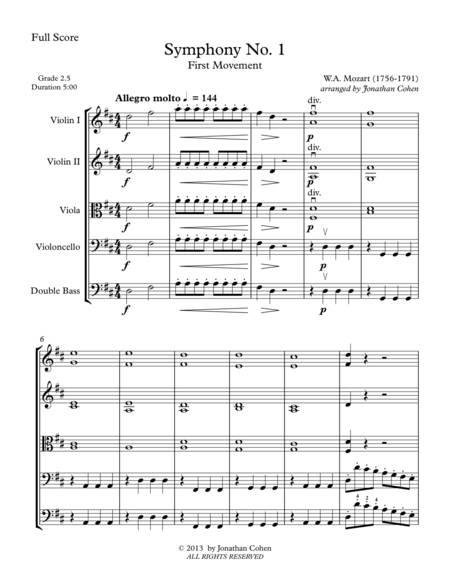
The Untold Story: How Mozart’s Name Became a £100 Million Brand Empire
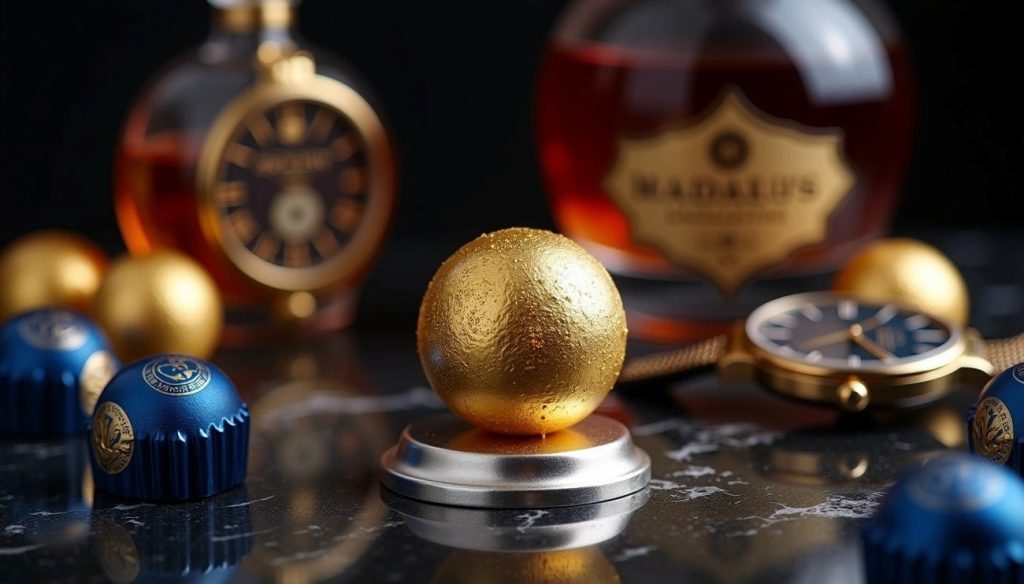
Mozart’s brand value has soared through the centuries. He stands today as the most commercially successful dead composer in history. His popularity peaked when the world celebrated his 250th birth anniversary in 2006, making him the most marketable classical composer.
Mozart’s legacy extends beyond his brilliant compositions. The name “Amadeus” now adorns hundreds of registered trademarks. You’ll find it on watches, musical instruments and even cigars. His commercial empire reaches way beyond the reach and influence of music. The numbers tell an amazing story – Reber, a chocolate manufacturer, creates over 180 million Mozart candies annually. These sweet tributes add up to half a million pieces each day. Their competitor Mirabell adds another 57 million Mozart chocolate candies yearly to this impressive count.
The story behind Mozart’s transformation into a global commercial powerhouse deserves attention. The tale begins with Mozart chocolate balls (“Mozartkugeln”) that came to life about a century after the composer’s death. Modern bottle designs and widespread Amadeus branding complete this remarkable commercial evolution.
Mozart as a brand: From composer to commercial icon
Wolfgang Amadeus Mozart’s legacy reaches beyond his musical compositions. His name has evolved into one of the world’s top 50 brands, with an estimated worth of £3.97 billion in annual sales of products. This remarkable brand value comes from his artistic genius and his connection with people through centuries.
The cultural value of Mozart’s name
Mozart’s name holds immense cultural value through the universal appeal of his music. His compositions touch the human heart with pure melody and emotional depth that exceeds time and culture. The playful brilliance of “Eine kleine Nachtmusik” and the solemn beauty of his Requiem showcase the full spectrum of human emotions.
Mozart’s hundreds of preserved letters show a real person who struggled with money and family worries. This human side of the brilliant composer makes him more available to us despite his extraordinary talents.
The Mozart name now represents excellence, refinement, and cultural sophistication. People who display Mozart-branded items signal their cultural knowledge and sophisticated taste to others.
How branding capitalised on his legacy
The commercial development of the Mozart brand started after revealing his monument in Salzburg (Austria) in 1842. Local entrepreneurs found that city pride sold well, which led to products like Mozart bread, Mozart wine, and even Mozart shoe polish (Crazy but also funny Mozart Products…).
The Mozart Effect phenomenon of the 1990s substantially boosted commercial interest. Don Campbell’s 1997 book. This sparked a commercial rush of Mozart-themed CDs, books, and educational materials.
Note: In 1997, music therapist Don Campbell published his influential book, The Mozart Effect, claimed that listening to Mozart could boost IQ and improve mental speed.
Copyright law helped the Mozart brand grow. His compositions entered the public domain long ago, allowing anyone to perform his music without licencing fees. This made his name available for widespread commercial use.
Companies have created unique marketing approaches around the Mozart identity. The Mozart Distillerie designed packaging that shows how different elements blend in liqueur just like parts of a musical composition. Their distinctive short, round, shiny bottles stack double in retail displays – showing how the Mozart brand continues to inspire state-of-the-art commercial ideas today.
The Mozartkugel effect: How one candy started it all
A simple chocolate ball called Mozartkugel stands out as the most interesting part of the Mozart brand story. This sweet treat grew into a multimillion-pound industry and showed how classical culture could turn into commercial success.
The invention and naming of Mozartkugel
Salzburg confectioner Paul Fürst started it all in 1890 by creating a unique sweet treat he called “Mozart-Bonbon”. His masterpiece combined pistachio marzipan wrapped in nougat and covered with dark chocolate. He placed each piece on a wooden stick to get that perfect round shape, dipped it in chocolate, then sealed the hole with more chocolate after removing the stick.
The sweet became the talk of Salzburg. Fürst’s creation won a gold medal at the 1905 Paris World Exhibition (Exposition internationale d’Alimentation et d’Hygiène appliquée – International Exhibition of Food and Applied Hygiene). This recognition launched the Mozartkugel into the spotlight and kicked off what would become a worldwide sensation.
The explosion of imitators and variations
Fürst’s decision not to patent his invention had consequences. The candy’s success after Paris brought many copycats. Local Salzburg confectioners jumped in first, though they skipped the careful handcrafting process.
Big manufacturers saw the opportunity next. Bavaria’s Reber now leads production with 180 million Mozartkugeln each year – that’s about half a million every day. You can find at least 13 different types just in Salzburg, with many more variations across Europe and the whole world.
Trademark chaos and legal loopholes
The missing patent protection sparked decades of legal fights. A 1996 Austrian Supreme Court ruling said only Fürst’s company could use the name “Original Salzburger Mozartkugeln” (Wikipedia), but competitors found ways around it.
Mirabell picked “Echte Salzburger Mozartkugeln” (Real Salzburg Mozart Balls), and Reber went with “Echte Reber Mozart-Kugeln”. The European Commission shot down an attempt to keep “Mozartkugeln” production within Austria’s borders.
The battle extended to packaging too. Fürst’s silver-blue foil wrapping got trademark protection in 1997. These days, Mirabell alone can make perfectly round balls, while other makers must settle for slightly flattened versions.
The many faces of the Mozart brand
The Mozart brand now reaches far beyond chocolate balls. The composer’s prestigious image helps sell products across many categories.
Mozart in food and drink: chocolates, liqueurs, cheese
Salzburg’s Mozart Distillerie makes premium chocolate liqueurs and boasts a 60-year heritage. Their products showcase West African cocoa, fair-trade bourbon vanilla from Madagascar, and Belgian chocolate. The liqueurs go through a special “soundmilling” process. Mozart’s music plays through speakers for 24 hours before bottling. The product line features Dark Chocolate, White Chocolate, Chocolate Cream, and flavoured options like Strawberry and Coconut.
Mozart in fashion and beauty: perfume, clothing, accessories
Mozart House serves beauty industry professionals with manicure supplies. Their catalogue features 400 different tools and more than 100 types of professional equipment. Mozart-branded clothing shows up on many retail platforms, and classical music fans love these products.
Mozart in tech: Amadeus and software branding
Software companies across the tech industry choose “Amadeus” as their brand name. This reflects the composer’s legacy of brilliance and innovation.
Mozart bottle and packaging as design icons
Mozart liqueur’s spherical glass bottles wrapped in coloured foil stand out as design classics. The packaging got a fresh look in 2014. Cleaner logotypes and premium colour coding now highlight the brand’s luxury appeal.
How Mozart’s name became a £100 million empire
The Mozart brand empire makes over £100 million each year (~ 130 million US$). This success makes it one of the most remarkable cultural brand transformations in history. Companies worldwide now profit from the composer’s name and image in many industries.
The role of global marketing and tourism
Mozart remains the main reason behind Salzburg‘s booming tourism industry. The city welcomes over 9 million visitors each year who seek Mozart-related experiences. Tourism officials have smartly marketed the city as “Mozart’s birthplace.” This strategy has created an ecosystem of Mozart-themed attractions, hotels, and restaurants. Classical music enthusiasts from around the world flock to festivals like Mozart Week, which strengthens the city’s connection to the composer.
The impact of legal rulings on brand control
Legal decisions have shaped Mozart’s brand landscape significantly. The lack of complete protection for Mozart’s name has, surprisingly, helped its commercial growth. Companies can freely use the Mozart association without copyright restrictions. This freedom has created massive collective brand value instead of concentrated ownership.
The balance between authenticity and mass production
Premium manufacturers like Fürst keep their handcrafted traditions alive. They produce just 1.4 million Mozartkugeln yearly, while industrial producers make hundreds of millions. Both market segments succeed by serving different consumer needs – some want authenticity, others prefer affordability.
Mozart’s name as a global trust signal
Mozart’s name immediately suggests sophistication, quality, and cultural refinement across all cultures. Companies use this association to market their products as premium offerings. His universal recognition makes “Mozart” a powerful branding tool that surpasses language barriers and works well in global markets of all types.
Conclusion
The rise of Mozart from classical composer to global brand powerhouse represents one of the most remarkable cultural transformations in history. A simple chocolate ball sparked what would become a £100 million empire in food, drink, fashion, and technology.
Mozart’s lasting appeal stems from his musical genius and his relatability. His personal struggles and artistic brilliance create perfect foundations for brand building. This mix of artistic integrity and commercial success has kept Mozart’s name thriving more than 230 years after his death.
The absence of copyright protection, while challenging at first, helped Mozart’s brand spread worldwide. Companies could freely use his name, generating revenue in all types of industries. This commercial freedom propelled the Mozart brand to its current value of nearly £4 billion in annual sales.
On top of that, Mozartkugel chocolates showcase how one product can create an entire brand ecosystem. These chocolate balls, from handcrafted originals to mass-produced varieties, highlight both authentic appeal and successful scaling.
Mozart’s name means more than just a brand – it symbolises quality and sophistication universally. The Mozart brand instantly signals cultural refinement to consumers worldwide, whether on Tokyo’s liqueur bottles or New York’s chocolate boxes.
Mozart’s commercial success stems from his knowing how to touch people through beauty. Companies using his name understand this emotional bond and design their products around it. His legacy shows how artistic genius can surpass time, culture, and transform into remarkable commercial success.
FAQs
Q1. What is the estimated value of the Mozart brand?
The Mozart brand is estimated to be worth approximately £3.97 billion in annual sales of products, making it one of the world’s top 50 brands.
Q2. How did the Mozartkugel chocolate become so popular?
The Mozartkugel, created in 1890 by Paul Fürst, gained international recognition after winning a gold medal at the 1905 Paris World Exhibition. Its popularity led to numerous imitations and variations, turning it into a global phenomenon.
Q3. Are there any unique features in Mozart-branded liqueurs?
Yes, Mozart chocolate liqueurs undergo a unique “soundmilling” process where Mozart’s music plays through speakers for 24 hours before bottling, adding a distinctive touch to their production.
Q4. How has Salzburg benefited from the Mozart brand?
Salzburg’s tourism industry thrives largely due to Mozart, attracting over 9 million visitors annually. The city markets itself as “Mozart’s birthplace” and hosts Mozart-themed attractions, hotels, restaurants, and festivals like “Mozart Week”.
Q5. Why has the Mozart brand been so successful globally?
The Mozart name instantly communicates sophistication, quality, and cultural refinement across cultural boundaries. This universal recognition makes it a powerful branding tool that transcends language barriers and works effectively in diverse global markets.
References & Links
think storytelling: “The Mozart Brand”
Mozart’s Timeless Legacy
Original Salzburger Mozartkugel – The history of the family-run CAFE KONDITOREI FÜRST
The Enigma and Elegance of the Mozart Effect
Mozart Distillerie
The history of the original Mozartkugel
A Salzburg Original: the Mozartkugel
Mozartkugel FAQ
Wikipedia: Mozartkugel
Mozart Chocolate Liqueur
Unique labeller for Mozart Distillerie